If you're considering the purchase of a home, you'll need a real estate agent. But what if you don't know any real estate agents? How do you learn where to find the best real estate agents in your area? Below are some things you should look for when considering which real estate agent is right for you.
1. Reputation. Check their references, social media and online reviews for your real estate agent before deciding who you want to represent you.
2. Licensed. All real estate agents must be licensed, but the industry is somewhat unregulated. You will need to make sure they have a license. Then you will need to confirm their license with your local real estate board. The real estate licensing board is a reliable source of information that can also provide you with complaints or the legal records of any licensed realtor.
3. Experience. The experience of the realtor you choose is of utmost importance. An inexperienced realtor could cost you thousands of dollars due to their lack of working knowledge and experience that only comes with time. Additionally, they need to possess technology skills, negotiating skills and the proper social skills needed to make winning deals while competing with other agents.
4. Referrals. The best way to find a reputable real estate agent is by asking friends, family and acquaintances for a referral. This way you will have some type of confirmation about their performance based on your referrals previous experiences with them.
5. Customer Service. You need to find a real estate agent you feel comfortable with and one that you feel like you can easily talk with. Any real estate agent you choose needs to display a positive attitude and show you that they will do everything in your best interest.
6. Large Agency Or Small Agency? A large real estate agency generally has access to more staff and state of the art tools and equipment. Additionally, they usually know more people due the number of staff members within their agency. The more agents they have at their disposal equals more experience, more connections and more knowledge. However, if you find a realtor in a small agency that has a multitude of experience and knowledge, don't let the size of the agency stop you from making a good hiring decision.
Showing posts with label Housing. Show all posts
Showing posts with label Housing. Show all posts
Friday, September 6, 2013

Thursday, August 29, 2013
10 Great Kitchen Appliances for Entertaining
Kitchen Appliances for Entertaining: Looking forward to hosting family, friends and guests at your home? Then you'll definitely want to know about the top appliances that are fantastic party tools for any special event.
These devices -- from basic food prep gadgets to larger catering-style machines -- help you save time in and out of the kitchen, so you can get back to the important task of enjoying your company.
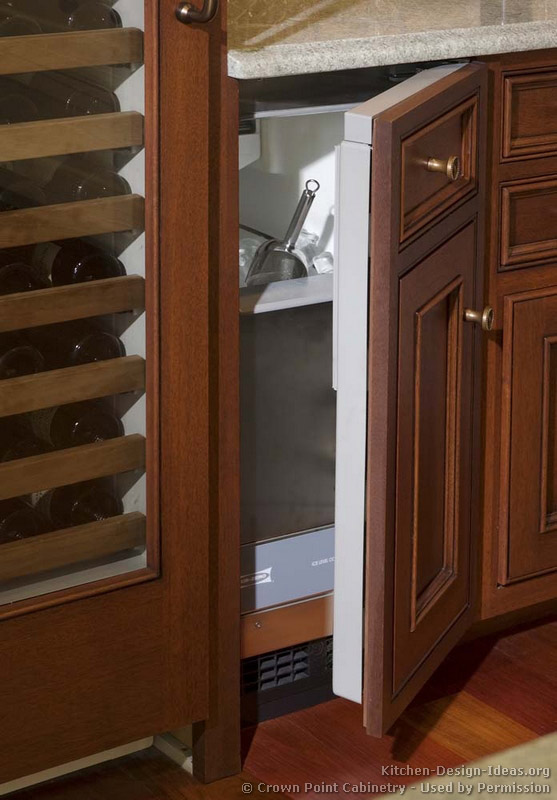
A built-in ice maker is a great help if you entertain frequently.
1. Ice Maker: It's always a pain to run out of ice in the middle of a party, so why not make your own? A dedicated ice maker does that for you, so you'll never have to step out to grab ice from the store. Unlike your fridge, an ice maker has more than enough capacity to make enough ice to satisfy guests and then some.
2. Wine Fridge: For those who entertain guests frequently with the finest wines available, a wine fridge is definitely a must-have. In addition to quick access, your wines will stay at a cool pre-set temperature. Dual-zone units are available for keeping a wider variety of wines around.
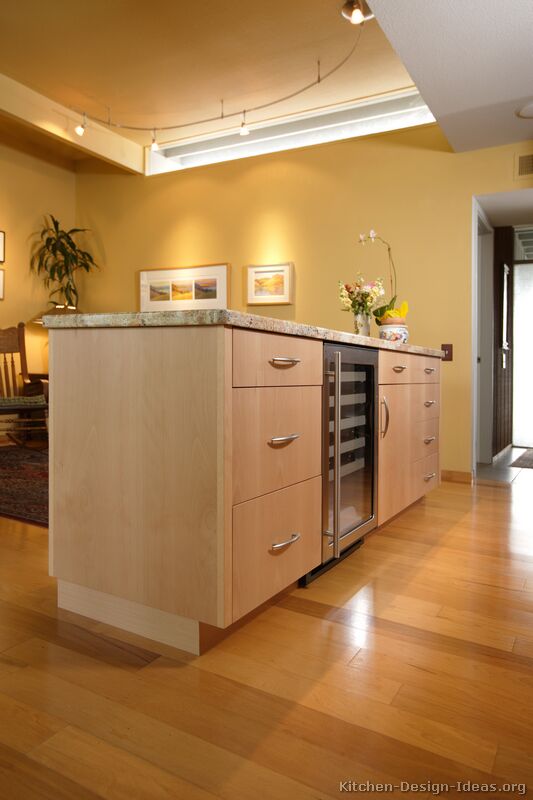
Available in various capacities for unique storage needs, a wine cooler makes a great addition to a kitchen island, if you have the space for it.
3. Food Processor: It takes time to slice, chop, knead and shred those ingredients you need for party appetizers and the like. Why waste time on that when a food processor gets the job done in a fraction of the time? A food processor with a strong motor will last you through countless special events while the variable speeds let you chop, slice and mix almost any food you could think of.
4. Meat Thermometer: Okay, the last thing you want to do is poison your guests! Take all of the guesswork out of cooking chicken, beef or pork with an accurate and highly reliable meat thermometer. The most popular types of meat thermometers include the "ovenproof" thermometer, which remains in the food throughout the cooking process and the instant-read thermometer with a probe that measures internal temperatures quickly.
5. Blender: While food processors deal with chopping, grinding and mixing foods, a blender is the perfect tool for making delicious fruit smoothies, margaritas and even condiments like salad dressings. Don't be afraid to have the two side-by-side during dinner parties.
6. Stand Mixers: When you have guests coming over, prep time is in short supply. Having a mixer in the kitchen makes for a great time-saver, plus it saves you from having to wrestle with a whisk or a spoon. You can use a stand mixer to your advantage for whipping potatoes, beating batter and kneading dough or use a portable hand-held mixer to fluff eggs and mix lighter foods. Don't be afraid to have both types around, as each one has its own set of advantages in the kitchen.
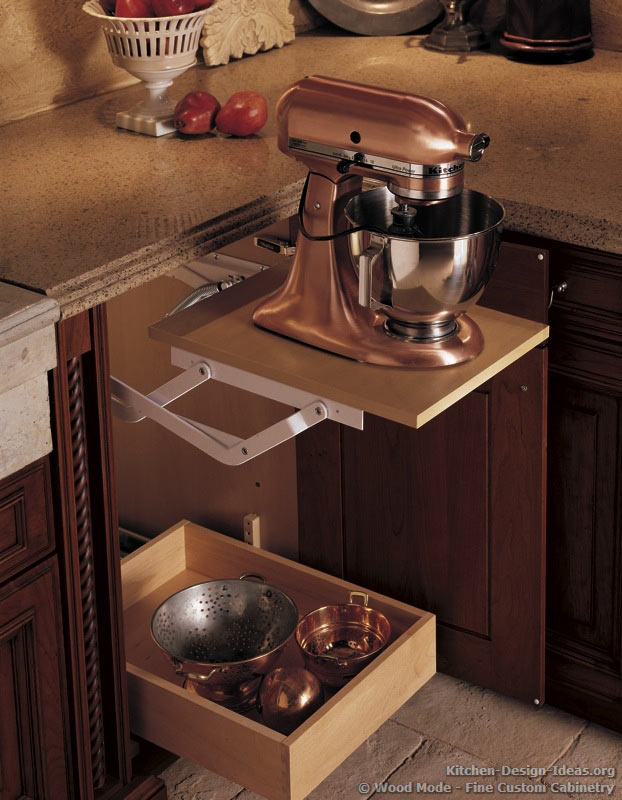
Save time and elbow grease with a stand mixer. This one is built onto a mechanized cabinet lift.
7. Crockpot: Having a crockpot on hand is a quick and fun way of cooking those delicious appetizers. From nachos to chili, beans and meatballs, you can whip up a wide variety of appetizing dishes for your guests in little to no time at all. As a bonus, crockpot cooking gives your dishes that delicious slow cooked taste. At our family parties, a triple crock pot server is a huge hit, and a consistent source of compliments.
8. Fondue Pot: A fondue pot is a fancy and fun way to serve up desserts, entrees, and hors d'oeuvres. Make delicious cheese dips for bread sticks, or try decadent chocolate dessert fondues. If you're going all out for a wedding reception or fancy gathering, take desert a step further with a chocolate fountain!
9. Electric Griddles: No report on appliances for entertaining is complete without mention of the wide array of specialty electric griddles, from full-sized grills to specialized quesadilla makers, hot dog machines, pretzel makers, and waffle irons. You can leave these out on a table or countertop for friends & family to informally serve themselves, or use these griddles in advance to more quickly mass-produce your party food.
10. Ice Cream & Popcorn! It's not just the kids who love a good old fashioned ice cream for dessert. You can wow and impress friends, family and guests by making your own homemade ice cream or frozen yogurt with easy-to-use machines. The best thing about having your own ice cream machine is the boundless creativity; you can make any flavor of ice cream you want in as much quantity as your dinner guests desire. For kids' summer parties, a snow cone maker is a fairly popular choice.
If you're going all out, give your guests the full Disneyland Main Street experience by also adding a cotton candy maker or popcorn maker to the scene. From simple countertop models to old-fashioned carnival style circus carts, nothing makes a party hop like a popcorn machine. While they aren't exactly appropriate for a formal dinner gathering, carnival-style popcorn machines are perfect for kid-friendly summer parties and wedding receptions.
Get the Party Going
It's not always easy to keep friends and family entertained during those special events. Fortunately, these appliances really make the difference when it comes to throwing that perfect brunch or dinner party. These and other catering-style food prep machines are surprisingly easy to find at various department stores and specialty cooking outlets.
What do you think? Can you suggest any more great appliances for entertaining? Let us know in the comments below, or shoot us an email on our contact page. With a little prep, and a great tool set, your home can be host to some fantastic gatherings!
Read more: http://www.kitchen-design-ideas.org/kitchen-appliances-for-entertaining.html#ixzz2dDPvfm00
Monday, August 19, 2013
7 Steps to a Kitchen Color Scheme
Choosing from an infinite number of kitchen color schemes can be both exciting and daunting. How do you decide?
From a simple black and white kitchen to every other grouping of possible hues, picking the right combination will be easier if you follow our step-by-step guide.
There are seven essential steps to take when selecting colors for your kitchen remodel. While often helpful, it is not necessary to follow these steps in order.
- Choosing cabinet colors: Kitchen cabinets typically take up 50% of your budget and occupy about 40% of the visual space in your kitchen. For these reasons, it's best to start out by choosing a cabinet color that fits your personality and your home's style before deciding the other colors in your kitchen.
- Choosing appliance colors: Your cabinetry order cannot be finalized until you know which appliances you intend to buy. As focal points, your sink and appliances can have a big impact on your kitchen color scheme.
- Choosing countertop colors: Your kitchen countertops are close to eye level and will occupy a large portion of your visual space. Be sure to bring a sample of your cabinetry color to help you choose a coordinating countertop color.
- Choosing flooring colors: When selecting a kitchen floor color, be sure it coordinates well with the cabinets, countertops, and appliances, as well as with the floors in adjoining rooms.
- Choosing a backsplash color: By now your kitchen color scheme is nearly complete. There are many backsplash options that can either coordinate or clash with your color scheme, so if you need extra help, don't hesitate to enlist the services of a designer when selecting a backsplash.
- Choosing a wall color: Often the forgotten backdrop to an overall color scheme, your walls can still play a vital role. While the walls are often obscured by cabinets, pick a color that balances well with the floors, cabinets, and backsplash.
- Choosing hardware colors: Your faucets and cabinet handles are installed later, after the cabinets and granite have been completed. While it is common to coordinate the faucets and handles colors, it is not required.
Read more: http://www.kitchen-design-ideas.org/kitchen-color-schemes.html#ixzz2c5JUj39a
Wednesday, August 14, 2013
Housing inventory crunch seems to be easing up

A home is sold in Los Angeles. The Los Angeles-Long Beach market inventory climbed 7.8% from June and was 6.8% higher than July 2012, according to data from Realtor.com. (Reed Saxon / Associated Press / August 15, 2012)
The persistent inventory crunch helping boost home prices rapidly higher may be fading, according to a new report.
The nation saw a 5.2% decline in inventory last month — the second straight month of single-digit yearly drops, according to a Realtor.com report released Tuesday. In May, inventory fell 10% over the year.
“Dramatic national year-over-year inventory declines have evaporated,” Move Inc., which operates Realtor.com, said in a news release.
The number of listings rose 1.4% from June — the fifth consecutive monthly rise. Last year, inventory declined from June to July.
In some markets, the number of homes listed for sale has started to increase compared with last year. Twenty-five markets posted yearly inventory gains of 1% or more last month. Only seven markets saw such growth in April.
Tight inventory, investor demand and historically low interest rates have helped boost prices lately — especially in markets such as Los Angeles and Phoenix that fell hard during the bust.
Those price increases could be spurring more home owners to list their houses for sale — a decision many economists say should help moderate fast-rising home values.
The Los Angeles-Long Beach market inventory climbed 7.8% from June and was 6.8% higher than July 2012, according to data from Realtor.com. The median list price in the L.A. region was $440,000 in July, basically flat from June, but 29.4% higher than last year.
In Riverside and San Bernardino counties, inventory rose 3.2% over the month and jumped 26% from last year — the largest yearly gain in the country. The median list price in the Inland Empire was $252,200 in July, nearly 1% more than June and 23% more than July 2012.
Inventory in Orange County rose 8.4% last month, but still remains 2.3% below last year. List prices there rose 34% over the year and 1.8% from June to hit $575,000.
Nationwide, the median list price was $199,900 in July, a 5.3% rise from last year and flat from June.
LA Times
By Andrew Khouri
Tuesday, August 13, 2013
LA city Leaders break ground on San Pedro Waterfront project
The Port of Los Angeles is putting its best face forward.
A brand new waterfront revitalization project has broken ground in San Pedro, and with it comes restaurants and a full promenade.
Newly elected city councilman Joe Buscaino, whose district includes the Harbor area, compared the construction effort to another big project that broke ground a few years ago, L.A. Live.
"[L.A. Live]'s weeded out poverty," insisted Buscaino. "It's put people back to work and made the great downtown Los Angeles a destination.”
Buscaino joined Mayor Antonio Villaraigosa, U.S. Rep. Janice Hahn and others at the Port of Los Angeles as they tossed dirt with gold shovels, fire boats spouting water behind them.
Leaders say capital improvement investments worth over a billion dollars will bring more than an acre of waterfront real estate to life over the next several years. The plan will create about 20,000 jobs, many set aside for Angelenos in surrounding areas.
Councilman Buscaino said the project hits home.
“My dad worked the fishing boats, the docks, the Sea Queen, the Southern Monarch," recalled Buscaino. "This is a port where I grew up as a kid.”
Leaders say capital improvement investments worth over a billion dollars will bring more than an acre of waterfront real estate to life over the next several years. The plan will create about 20,000 jobs, many set aside for Angelenos in surrounding areas.
Councilman Buscaino said the project hits home.
“My dad worked the fishing boats, the docks, the Sea Queen, the Southern Monarch," recalled Buscaino. "This is a port where I grew up as a kid.”
Leaders plan to choose a developer this summer. The $35 million project should be completed by 2014.

Every Tuesday look for more Local Real Estate News for the South Bay
Friday, August 2, 2013
Home Prices Still Rising at a Torrid Pace
Key gauge surges 12.2% from a year earlier the largest gain since March 2006.
Home prices shot up in Americas largest cities in May, rising at a pace not seen since the bubble days, according to a closely watched gauge. The Standard & Poors Case-Shiller index of 20 large U.S. cities released Tuesday, rose 2.4% from April and 12.2% from May 2012- the largest year-over-year gain since March 2006.
Average home prices across the 20 cities have now reached their spring 2004 level. For the first time, two cities- Denver & Dallas surpassed the peaks they reached before the 2008 financial crisis. All cities tracked by the index saw prices rise from a year earlier and the previous month.
"The long-awaited housing recovery is in full swing," Senior Economist Erik Johnson of IHS Global Insight wrote in an emailed analysis. "We expect housing to remain a key driver of growth for at least the next couple of years."
Low mortgage rates, a shortage of homes for sale and heavy investor demand have sent home prices sharply higher this year, providing an economic lift but also sparking concerns that some markets are overheating.
Las Vegas and Phoenix, two cities where prices fell hard during the bust, have come roaring back, in large part because investors have scooped up many foreclosed properties to flip or rent out. Year-over-year prices rose 23.3% in Las Vegas and 20.6% in Phoenix. Those gains were surpassed only by the San Francisco market, a tech mecca where prices skyrocketed 24.5% from May 2012. Southern California price increases maintained their breakneck pace in May. Prices rose 19.2% in the Los Angeles region over the year and 17.3% in the San Diego area.
"The market is on fire right now," said Max Nelson, a senior partner at Deasy/Penner & Partners Beverly Hills office. Nelson said his company has already received multiple offers for a Pacific Palisades home it placed on the market Friday for $1.65 million--- before even holding an open house. Those gains are rapidly eating away at affordability, further hampering the efforts of first-time home buyers who often must compete with all cash investor offers in many markets. Stuart Gabriel, director of UCLAs Ziman Center for Real Estate, said the recovery is pricing out some home buyers--- a disconcerting trend.
"The rebound has been striking," he said.
The median home price in the six-county Southland rose 28% in June to $385,000, a record year-over-year gain, according to research firm DataQuick. The median is the point at which half the homes soold for more and half sold for less, so it reflects the mix of homes selling as well as rising values.
- Andrew Khouri
Friday, July 26, 2013
Buying A Second Home
Buying a second home - should you or shouldn't you - that is the question. Well, buying a second home could very well be the absolute best thing you have ever done but you have to do it for the right reasons. Let's talk about a few of the things you need to consider before making any quick decisions.
First you must ask yourself why you want to purchase a second home. Is it to invest in your future? Is it to use for a vacation home? Are you doing it for an additional income? The answer to these questions is critical so let's look at all of the facts.
If you are buying a second home as rental property to use as part of your retirement plan then you have made the right decision. Buying a home forces you to make regular savings in the form of a mortgage payment each month and that is money in the bank when it comes to a retirement fund.
You must make sure,however, that you have enough money to cover the mortgage payments plus any additional expenses such as repairs, yearly taxes and insurance, if they are not a part of your mortgage payment, and anything else that may arise. The good news is if you buy the right house at the right price, your rental property should always stay rented.
Another reason a second home as part of your retirement plan is a good idea is due to the fact that your investment money is subject to less income tax and the interest and taxes may be deductible. So planning ahead could pay off in a big way.
Housing, for the most part, appreciates over time. There are definitely ups and downs in the housing market but buying a home is a long term investment that can ride those tides very well. A home is an inflation proof investment.
The experts have predicted that both fixed rate and adjustable rate mortgages will probably remain in the single digits for the foreseeable future. Therefore, financing a home with a nominal down payment should remain achievable for quite some time.
Buying a home is very exciting and can be a very profitable experience but your decision cannot be made lightly. It is wise to give a lot of thought to why you want a second home, then make a financial plan and stick to it.
If you have some disposable income, then purchasing a vacation home may be just what you need to add a little spice to your life. Then by all means, go ahead and find the perfect house, buy it and enjoy.
Whatever the reason you want or need a second home, please think about your reasons, make a plan and follow through. It is also advisable to talk to a real estate agent about all of your options before diving in. A real estate agent can help you make the best decisions and could potentially save you thousands of dollars in the long run.
First you must ask yourself why you want to purchase a second home. Is it to invest in your future? Is it to use for a vacation home? Are you doing it for an additional income? The answer to these questions is critical so let's look at all of the facts.
If you are buying a second home as rental property to use as part of your retirement plan then you have made the right decision. Buying a home forces you to make regular savings in the form of a mortgage payment each month and that is money in the bank when it comes to a retirement fund.
You must make sure,however, that you have enough money to cover the mortgage payments plus any additional expenses such as repairs, yearly taxes and insurance, if they are not a part of your mortgage payment, and anything else that may arise. The good news is if you buy the right house at the right price, your rental property should always stay rented.
Another reason a second home as part of your retirement plan is a good idea is due to the fact that your investment money is subject to less income tax and the interest and taxes may be deductible. So planning ahead could pay off in a big way.
Housing, for the most part, appreciates over time. There are definitely ups and downs in the housing market but buying a home is a long term investment that can ride those tides very well. A home is an inflation proof investment.
The experts have predicted that both fixed rate and adjustable rate mortgages will probably remain in the single digits for the foreseeable future. Therefore, financing a home with a nominal down payment should remain achievable for quite some time.
Buying a home is very exciting and can be a very profitable experience but your decision cannot be made lightly. It is wise to give a lot of thought to why you want a second home, then make a financial plan and stick to it.
If you have some disposable income, then purchasing a vacation home may be just what you need to add a little spice to your life. Then by all means, go ahead and find the perfect house, buy it and enjoy.
Whatever the reason you want or need a second home, please think about your reasons, make a plan and follow through. It is also advisable to talk to a real estate agent about all of your options before diving in. A real estate agent can help you make the best decisions and could potentially save you thousands of dollars in the long run.
Tuesday, July 23, 2013
Curb Appeal Tips
How would you like to sell your home for top dollar? Well of course you would! You have probably heard of "curb appeal" . Curb appeal is the first thing your buyer sees when he drives up to your home. Yep, you got it - you never get a second chance to make a good first impression. Your homes curb appeal can determine whether a buyer stops to consider your home or just drives on by. It will also set the buyers mindset on whether or not your home has been well cared for and if it's worth what you are asking for it.
Here are a few curb appeal ideas that will help you sell your home for top dollar.
1. You should take a look around your home with fresh eyes and ask yourself "what do I see?" Take care of all major and minor maintenance issues. Anything from loose gutters, crooked shutters, cracked windows and loose mortar. Nothing should be left undone. The time you spend on these things now could potentially save you thousands of dollars in the long run. For example: if you have a cracked window, the buyer will have it in their mind that your home needs new windows , whether it does or not. Once the buyer has a certain mindset, it's hard to change it. Whereas it would have been much cheaper to just replace that one window and the buyer would have more than likely never noticed and therefore it would never have been an issue.
2. If you can afford it, it will pay you back in spades if you paint your entire house. If you can't, make sure you powerwash it or at least paint the trim and the doors. You can rent a powerwasher for a day or so to make your home look as fresh as possible. This should include cleaning the windows as well. This goes back to the scenario above. If the buyer sees dirty windows, he might perceive them as old and in need of being replaced.
3. Clean up all the clutter and anything that doesn't need to be there. Depersonalize it as much as possible. You want your potential buyers to be able to envision themselves living there. You should add some fresh mulch and perhaps add some flowers to a nice pot on the porch or to your flowerbeds. A splash of color will catch their eye and enhance your curb appeal.
4. Most people don't consider the little things like their mailbox and their house numbers. What is the first thing your buyer will see when they are driving down your street looking for your house? Your house number right? So whether your house number is on your mailbox or on your house or both, that is the first thing your buyer will see. So go ahead and spend a few extra dollars and get a new mailbox if you need it and if not, you can plant some flowers around the base and add some fresh new numbers to it. In addition to your mailbox, buy a nice, tasteful new plaque for your house with your house numbers on it. It's the little things that go a long way.
Here are a few curb appeal ideas that will help you sell your home for top dollar.
1. You should take a look around your home with fresh eyes and ask yourself "what do I see?" Take care of all major and minor maintenance issues. Anything from loose gutters, crooked shutters, cracked windows and loose mortar. Nothing should be left undone. The time you spend on these things now could potentially save you thousands of dollars in the long run. For example: if you have a cracked window, the buyer will have it in their mind that your home needs new windows , whether it does or not. Once the buyer has a certain mindset, it's hard to change it. Whereas it would have been much cheaper to just replace that one window and the buyer would have more than likely never noticed and therefore it would never have been an issue.
2. If you can afford it, it will pay you back in spades if you paint your entire house. If you can't, make sure you powerwash it or at least paint the trim and the doors. You can rent a powerwasher for a day or so to make your home look as fresh as possible. This should include cleaning the windows as well. This goes back to the scenario above. If the buyer sees dirty windows, he might perceive them as old and in need of being replaced.
3. Clean up all the clutter and anything that doesn't need to be there. Depersonalize it as much as possible. You want your potential buyers to be able to envision themselves living there. You should add some fresh mulch and perhaps add some flowers to a nice pot on the porch or to your flowerbeds. A splash of color will catch their eye and enhance your curb appeal.
4. Most people don't consider the little things like their mailbox and their house numbers. What is the first thing your buyer will see when they are driving down your street looking for your house? Your house number right? So whether your house number is on your mailbox or on your house or both, that is the first thing your buyer will see. So go ahead and spend a few extra dollars and get a new mailbox if you need it and if not, you can plant some flowers around the base and add some fresh new numbers to it. In addition to your mailbox, buy a nice, tasteful new plaque for your house with your house numbers on it. It's the little things that go a long way.
Thursday, July 18, 2013
The First Things You Should Do When Moving Into A New Home
Moving into your new home is a very exciting time. There are so many things to do and so much to remember. Sometimes we don't stop to think about what priorities should be put first.
Here are a few things you need to add to your what to do first list once you move into your new home.
1. The very first thing you need to do is to change your locks. All of the locks not just the doors. You need to remember to change the locks on all other areas such as an exterior storage door or shed.
2. Change the code to the garage door opener and the garage door keypad if you have one.
3. Change the alarm code to the house.
4. Check all of the plumbing for leaks. Check under the sinks, check for dripping faucets, check for running toilets and check the water heater. A good way to test your home for leaks is to do the following: turn all water sources off, then read the water meter, wait for two hours - don't turn any water on during those two hours, then read the water meter again. If you have different numbers, then you have a leak and will need to call a plumber unless you have to skills to fix it yourself.
5. Have your carpets cleaned before you move in. Make sure you allow enough time for them to dry.
6. Clean your cabinets inside and out. You never know what has been crawling around in there.
7. Have a pest control company inspect and treat your home. You probably had your house checked for termites as part of the home inspection. But you need to have it inspected and treated for other pests as well.
8. Find the breaker box and learn what breakers go where. And if the breakers are not marked, you will need to label them appropriately. Additionally, teach your entire family how to use it and show them how to turn off the main breaker in case of a fire or any other type of emergency.
9. Locate your water meter. Show your entire family where it is and how to turn off the water, not only at the main, but throughout the individual areas of your house as well in case of a plumbing emergency. In addition, if you are going out of town or if you need to evacuate due to inclement weather, you will need to remember to turn off the water and the electricity to your home before you leave.
Here are a few things you need to add to your what to do first list once you move into your new home.
1. The very first thing you need to do is to change your locks. All of the locks not just the doors. You need to remember to change the locks on all other areas such as an exterior storage door or shed.
2. Change the code to the garage door opener and the garage door keypad if you have one.
3. Change the alarm code to the house.
4. Check all of the plumbing for leaks. Check under the sinks, check for dripping faucets, check for running toilets and check the water heater. A good way to test your home for leaks is to do the following: turn all water sources off, then read the water meter, wait for two hours - don't turn any water on during those two hours, then read the water meter again. If you have different numbers, then you have a leak and will need to call a plumber unless you have to skills to fix it yourself.
5. Have your carpets cleaned before you move in. Make sure you allow enough time for them to dry.
6. Clean your cabinets inside and out. You never know what has been crawling around in there.
7. Have a pest control company inspect and treat your home. You probably had your house checked for termites as part of the home inspection. But you need to have it inspected and treated for other pests as well.
8. Find the breaker box and learn what breakers go where. And if the breakers are not marked, you will need to label them appropriately. Additionally, teach your entire family how to use it and show them how to turn off the main breaker in case of a fire or any other type of emergency.
9. Locate your water meter. Show your entire family where it is and how to turn off the water, not only at the main, but throughout the individual areas of your house as well in case of a plumbing emergency. In addition, if you are going out of town or if you need to evacuate due to inclement weather, you will need to remember to turn off the water and the electricity to your home before you leave.
Tuesday, July 16, 2013
11 Tips to get More (Quality) Twitter Followers
1. Share Quality Content
While this one should go without saying, it is always worth repeating. Quality content gives people a reason to share, comment and come back for more.
Are you a blogger? Re-purpose your content to give it an added boost. Turn a post or survey into an Info-graphic or share a single quote or thought to elevate the conversation and begin to better brand your tweets. You can use websites like Hootsuite & Buffer to schedule Tweets.
2. Know Your Niche
Understanding who your potential consumer is and what needs you can solve is vital when crafting content.
Consider this as well. While many say to avoid politics or religion, that might not be the right solution for your business, it just depends. Don't be so bland that people are bored and you never seem to have an opinion, but in our Real Estate business we like to keep out- our political affiliations & religious views.
Although anything positive on the subject is welcome. Twitter offers a platform where being a little controversial might be a great way for you to start a dialog. The important component is to always put the needs of your followers first.
3. Be Honest
When asking for followers, do not trick them into following. Be straightforward in your intentions and make it clear what you like to talk about or what your opinions are.
Expectations up front will connect you with the right people and avoid frustration and eventually, a loss in followers who feel mislead.
4. Use Hashtags
Use hashtags to find people and topics centered around subjects you are interested in. Our favorites are #RealEstate #Homes #buyer #RollingHills #HomesForSale #REtips
5. Join Twitter Chats
Twitter chats are an excellent way to connect with like-minded individuals who are tweeting about the same content that excites you. Check the frequently updated Twitter Chat Schedule.
The largest chat on Twitter, #Blogchat is one I recently joined and truly enjoy. It is a weekly chat about topics helpful to anyone blogging personally or professionally. Hosted by Mack Collier, topics cater to newbies as well as advanced. This means you can connect with people that are talking about what interests you. Build deeper, more meaningful connections through Twitter chats!
If your in Real Estate find a chat that revolves around the business or even better find a chat that is in your community.
6. Brand Your Twitter Channel
Take advantage of the customization options Twitter options including a branded background, adding your professional head shot and filling out your bio.
Take your time to carefully write a bio that expresses who you are, how your business can help consumers (this is your answer to the “what’s in it for me” question) and above all else, be authentic. Take your offline personality and accurately convey that on Twitter.
7. Get Engaged
Get involved in the conversation and make it a point to stay actively engaged. It’s not enough to schedule a few tweets. You must begin to create conversation.
Ask questions and craft them in a way that they are worth replying to. People and content are moving rapidly. Give them a statement worth replying to. Reply in kind and open the lines of communication.
8. Don’t Haphazardly Follow
Be strategic in who you follow. What is your niche, passion, favorite pastime or hobby? Follow people that share information similar to what you find interesting.
A few Twitter tools to find people to follow:
- Twellow– A directory of public Twitter accounts, with hundreds of categories and search features to help you find people who matter to you.
- WeFollow – Get the most out of Twitter by finding the right people to share the conversation: find new, like-minded friends.
- JustTweetIt – A user directory for Twitter organized by genre to allow for users to easily find other Twitter users to connect with.
9. Be Helpful
If you are only using Twitter to push out your marketing message, you are missing a huge opportunity. Twitter allows you to offer great content that provides a benefit. Share helpful information that solves a problem or provides a solution.
What content do you have sitting on your website or blog that could be shared in bite-sized snippets? Take your frequently asked questions, company about or top tips and use them as helpful and meaningful tweets.
10. Cross Promote
Use your existing social media accounts like Facebook, Google+ and Pinterest to cross-promote your Twitter channel. It’s a good marketing practice to drive people back to other social properties.
Not everyone chooses to engage on each social network, make sure you remind people where you are and how you would like them to connect with you.
11. Extend Your Twitter Karma
Be sure to re-tweet, share and actively support your community. If you get a reply or retweet, be sure to promptly tweet back a quick thank you or "Favorite" the Tweet. The more you do so the more you will get in return.
Friday, July 12, 2013
Top 10 Fastest Real Estate Markets in 2013
Redfin has come out with an interesting new metric for analyzing how fast moving real estate markets in the country. They have captured the flash sales, those homes that have gone to contract in under 24 hours after the initial listing, in major markets across the country.
As inventories tighten and buyers have returned to the market, we are seeing the days of people pouncing on homes the minute they are listed, very reminiscent of the early parts of the 2000′s. Over the past 5 months, Phoenix was by far the leader in this category with 540 flash sales, followed by Chicago with 261. Portland, Oregon brought up the rear of the list at 115.
Numbers like these have to make real estate agents salivate and start beating the bushes for listings. It is a profitable storm, homes that move quickly with no marketing costs. A few months of these hitting the market and agents will forget their abject fear of taking a listing that they experienced over the past few years.
Thursday, July 11, 2013
Six Tips For a Successful Follow Up
Are conferences and other networking events not getting you the results you’re looking for? Don’t give up yet! More often than not, the reason why many Realtors don’t gain the solid connections they want is because they skip the most important part – the follow up. You’re not going to be able to build relationships and establish the network you want if you don’t follow up and in this post we’ll share some of our tried and tested tips on how to get it done as effectively as possible:
- Don’t wait too long. If you don’t start following up within two to three days after the event, then odds are you’ll forget about it. It doesn’t have to be complicated – a short email conveying your delight at making a new acquaintance will do as a first step. Ask them if they want to be included in your mailing list, but only if you think they’ll actually be interested in whatever you’ll be mailing out.
- Maximize business cards – when you ask for one, don’t just tuck it away. Use the back to write down a note or two about your new contact such as why you’d want to build a relationship with them or what the most interesting point of your conversation was.
- Make sure your website is in good working order and that your social media profiles are up-to-date. People are going to be looking you up online and you’ll want your website to reflect your professionalism and your social media profiles to be current.
- Connect through social media. This is one of the easiest ways to follow up on those new contacts you want to cultivate a relationship with. If you have photos, create an album and share it with them.
- Nothing beats the personal touch – especially with those that you really want to nurture a connection with. Send a card through snail mail or make good on something you may have promised to send (a recipe, restaurant recommendations in your area, etc.).
- Are you a bit late in following up? While you may still remember the interesting conversation you had with a contact, there’s no guarantee that they’ll have as sharp a recollection of it. Refresh their memory and give details about what you talked about (your business card notes will really come in handy here).
Keep these tips in mind when attending your next event and start building that network today!
Six Tips For a Successful Follow Up
Six Tips For a Successful Follow Up
Friday, July 5, 2013
A Back-to-Basics Look on Photo Blogging for Real Estate Brokers
Photo blogging has been a great marketing tool for a while now. It’s a proven way of showing potential clients the property that you are offering. Established real estate marketers have can attest that photo blogging just doesn’t make their lives easier it also gets to the point.
Here are a few incredibly easy ‘back-to-basics’ tips for photo blogging for new and old real estate agents alike:
- Take Photos of the Good Stuff
Since you’re selling a house, it would be a good idea to start off your photo blog by showcasing all the positive and unique aspects of the property that will attract buyers. If, for example, the property lies on a hill, take photos of the scenic view from the top of the hill. Better yet, take photos of the scenery while in the veranda or the deck. These small things may or may not mean a thing for the future property owner but it still gets people visiting your site. - Use your Smartphone
Put your smartphone’s dynamic features to work. Take photos with your phone and take advantage of the multiple photo editing apps to liven up your images. Then, post your images to your blog. Most blogs should have a mobile app or mobile version to easily allow you to add posts with images. - Connect with Social Networks
Take your blog or site traffic to the next level by syncing it with your existing social networks, such as Instagram, Twitter or Facebook. Instagram is an extremely popular photo app that attracts numerous users. Upload your photos to Instagram and share them on your blog, Facebook and Twitter for more exposure. Remember to add hashtags relative to your property photos so that people can find your images easily.
Wednesday, July 3, 2013
Creating your Mobile Marketing Strategy
Make sure your website displays properly on a smartphone and tablet. If it does not, adjust your strategy. Either make your site “responsive” to the device on which it’s being viewed – OR – drive mobile traffic to your profile on another responsive site. For example,advertisers of The Real Estate Book get a mobile optimized profile and the ability to create a free basic mobile website or an reasonably priced enhanced mobile site.
Use offline tools to drive traffic to your mobile site. For example, a text or a QR code placed on a yard sign, brochure, a postcard, or an ad will stimulate traffic to your mobile site. In 2012, advertising pages in The Real Estate Book generated over 300,000 text leads for advertisers. It’s clear that having a call to action placed locally drives response.
SMS text codes placed locally generate more local leads. Think about your website and those who surf homes online. You do not know their identity until they decide to register or request more information. Consumers who have to text a code to see a property are giving you their phone numbers to text them back. You know who they are right away.
If they text you, respond with a text. The consumer has chosen their preferred method of communication. Respect it. If, after a few texts back and forth, things would be easier explained with a phone call, then call them. It’s not that you should not call them. You should just not call them first. It can be seen as intrusive or pushy. Instead, text and say, “Did you find the information you needed? Would you like to know more?”
Mobile leads are leads, not sales. Recently a local representative told me that not every text lead was converting to business for him. Let’s set the expectation correctly. It’s a lead, not a guaranteed sale – or even a conversation. You still have to work to convert the lead into a conversation, a meeting, some showings, and, hopefully, a sale. Not every lead you receive from any source always results in a sale. Also consider that the prospect may be working with another agent and may have that agent set up the showing with you once they've determined their interest. It may end up being a sale, but you might not be aware of the source of the interest.
Use your mobile marketing strategy in YOUR LISTING PRESENTATION. In survey after survey, home sellers say that the most important service their agent can offer them is marketing their home to potential buyers. Make sure they know that you are ahead of the curve when it comes to current marketing trends. It will increase your credibility, your competitive edge, and your listings. When we put together our presentations for our potential clients, we always include about 3 or 4 pages with how we will market there home. The pages usually include the
social media websites we use and what advertisements there home will be in. Be sure to specifically write the web address so your clients cant go check out your Facebook page, twitter, Tumblr, Pinterest, Instagram, etc. And for the advertisements put in examples, like if you put homes in the Daily Breeze or DIGS magazine, be sure to bring them a copy of the latest issue with your Ad in it.
social media websites we use and what advertisements there home will be in. Be sure to specifically write the web address so your clients cant go check out your Facebook page, twitter, Tumblr, Pinterest, Instagram, etc. And for the advertisements put in examples, like if you put homes in the Daily Breeze or DIGS magazine, be sure to bring them a copy of the latest issue with your Ad in it.
Friday, June 28, 2013
5 Tips for Saving Energy this Summer
Here are 5 quick things you can do to stay cool and reduce your monthly bills this summer.
1. Change your filters in your heating/cooling system at least monthly.
2. Check your system – before you need it. This keeps you from making an emergency call when the temperatures soar.
3. Change your old thermostat to a programmable one. New wireless models even allow you to control the system from your phone when you are away.
4. Set your ceiling fans to rotate counter clockwise to better distribute cool air to help reduce your need to use the air conditioner.
5. Grill out! Keep the cooking heat outside and reduce the heat inside.
Wednesday, June 26, 2013
5 Signs you're Ready for Home Ownership
1.You Stick to a Budget
Financial experts will tell you that creating and sticking to a budget is a sign of financial maturity. With the over 1.5 million foreclosures in the United States, it's easy to understand why this is so important. If you have already created a budget and have stuck to it, you're more ready than the next guy to own your own home. When you follow a budget, you know exactly where your money is going each month. When you know where your money is going, you know whether or not you can afford a home of your own.
2.You Have a Down Payment
The old rule of thumb still stands: Enough money should be saved for a 20 percent down payment on a house. When you put 20 percent down on a home, you immediately have equity built into the property and you negate the necessity of private mortgage insurance. Even with a 20 percent down payment, you should still stay away from home's that are out of your realistic price range. If you've budgeted for a $150,000 house, having 20 percent to put down doesn't mean that you should look for an $180,000 home.
3.Your Income is Stable
Finding a stable job can be tough to do in today's economy, but if you have a stable source of income, you can feel relatively safe making an investment in a home. If you are reliably employed, don't forget to factor in any life-changes that may crop up in the near or distant future. Do you plan to go back to school? Are you going to start a family? Budget for the home you can afford five years from now, not the one you can afford today.
4.Your Credit Score is High
The higher your credit score, the better your interest rate will be. The better your credit score, the more likely you are to be accepted for a loan. If your credit is in excellent shape, you're ready to buy a home. If, on the other hand, your credit needs some work, whip it into shape before you being the home-buying process. Before you buy a house, your debts should be paid off, any collections accounts should be closed satisfactorily, and your credit score should be in the 700's.
5.You Have an Emergency Account
Did you know that you should have enough money in the bank to cover at least three month worth of debt? If you have an emergency account, you can feel safe buying a home. Add your estimated mortgage payment , estimated utilities, and any recurring debts that you have, and multiply that number by three. The resultant number is the amount that you should have stashed away in the case of job loss, illness or other financial emergency.
If you are thinking of buying a home , make sure that you are 100 percent ready. Re-read the tips above and, if they apply to you, the dream of owning your own home is within reach. If one or more doesn't apply to you, you have some work to do. Owning a home isn't a snap decision, it's a process. In the end, you'll be glad that you took your time and did it right.
Tuesday, June 25, 2013
6 Ways to Get A Response Back Through Emails
Ever sent an email & never received a response back. Here are some tips to help you get your reader to hit the reply button...
1. Perfect the subject line. When it comes to information, it’s hard not to judge a book by its cover. In To Sell Is Human, Dan Pink covers a study showing that people are more likely to read emails with subject lines to create curiosity or provide utility. When people aren't busy, they’re drawn in by subject lines that intrigue them. But when they’re busy, curiosity fades in importance; the emails that get read are the ones with practical subject lines. When you want to grab the attention of someone important, scrap the entertaining subject lines and focus on utility. Here are some of the most effective subject lines that landed in my inbox from strangers:
- Curiosity: “Advice for a fellow teleological people-person,” “I do not want anything from you,” “Your book kept me up all night,” “I will fly up and see you; you interest me,” and “Dan Pink would want me to write a creative subject line here”
- Utility: “Applying your techniques to recovering addicts” and “Getting you to Atlanta”
- Both: “Can you help give away 4 million dollars a year?” [Here, the sender cleverly went on to clarify, “I know the subject sounds like something you'd get from Nigeria, but…”]
2. Tell them why you chose them. On the receiving end, I was surprised by the number of readers who wrote asking for help without explaining why I was the right person to help them. One person reached out looking for advice on how to become a millionaire; another asked for help fighting a malpractice lawsuit. Neither of these requests is easily handled by a management professor. Good emails overcome this barrier by highlighting what drew you to this person and the distinctive value that he or she can add. It’s worth devoting a sentence or two to what you know about the person’s work, and how it has influenced your life. If you are trying to email people to gain business and clients, talk about why you chose them and why you think they need to use your company. In Real Estate, it is best to talk about location, and how it is a perfect time to buy or sell in your location. Why did you choose this person to represent you or vise versa if your a Realtor why did you chose these clients to represent.
3. Show that you've done your homework. A sizable number of readers wrote asking for links to articles that were freely available on my public website . As author Tim Ferriss, himself a cold-email virtuoso, writes, “It’s amazing how many would-be mentees or beneficiaries ask busier people for answers Google could provide in 20 seconds.” The psychologist Bernard Weiner has found that people are more motivated to help those who try to help themselves. When you reach out to someone busy, Ferriss advises, “Explicitly state what you've done to get answers or help yourself.” In our business we truly appreciate this, because it shows that they are serious clients and we can help them to understand the business & market better. Sometimes clients will bring in other comps that we did not pull, by doing so we can explain to them why we did not use the comp and why that one had a flaw.
4. Highlight uncommon commonalities. I felt a stronger connection to strangers who emphasized something unusual that we had in common. As the psychologist Robert Cialdini sums up the evidence from Influence, “Similarity literally draws people together.” In Give and Take, I elaborate on this principle to point out that similarities matter most when they’re rare. We bond when we share uncommon commonalities, which allow us to feel that we fit in and stand out at the same time. Think of the last time you traveled abroad and met someone from your hometown. If you met at home, the connection wouldn't stand out as unique, but on foreign soil, you’re the only two people from there, so you feel a sense of closeness. We use commonalities like location, things such as "I once owned a property in your area" or "I just sold your neighbors place".
5. Make your request specific, and keep it short and sweet. Avoid mini-novels, keep it short and to the point. The longer the message, the longer it took me to read and respond, and the more overloaded my inbox, the less patient I was in reading them. As the psychologist Robert Sutton recaps the evidence in Good Boss, Bad Boss, people are more helpful when they’re given clear directions on how to contribute. Ferriss suggests that the best approach is to “send a two- to three-paragraph e-mail which explains that you are familiar with their work, and ask one simple-to-answer but thought-provoking question in that e-mail related to their work or life philosophies. The goal is to start a dialogue so they take the time to answer future e-mails—not to ask for help. That can only come after at least three or four genuine e-mail exchanges.”
6. Express gratitude. Don't make demands, instead express your appreciation. One person wrote, “We should definitely meet,” and another implored, “Please answer this question.” In my research, I've found that people provide more extensive and useful help when it’s an enjoyable choice than when it’s driven by perceived pressure or obligation.
I was excited to help when I felt I could make a difference, not when someone was attempting to coerce me or create a sense of obligation. One of the least motivating strings of emails came from a reader who described a complicated family situation and demanded that I respond “promptly.” Within a week, I sent a three-paragraph reply. I explained that it would be difficult to help without knowing the people involved, but offered a suggestion, attached an article, and recommended a book. The reply from the person said, “I am in receipt of your email” without a single expression of gratitude, and extinguished my desire to be helpful.
Gratitude is more powerful than we realize. In one experiment, Francesca Gino and I asked people to spend some time helping a student improve a job application cover letter. After they sent their feedback, the student replied with a message, “I just wanted to let you know that I received your feedback on my cover letter,” and asked for help with another one in the next three days. Only 32% of the people helped. When the student added just eight words—“Thank you so much! I am really grateful”—the rate of helping doubled to 66%. In another experiment, after people helped one student, a different student asked them for help. Being thanked by the first student boosted helping rates from 25% to 55%. The punch line: a little thanks goes a long way, not only for encouraging busy people to help you, but also for motivating them to help others like you.
*For more on achieving influence and motivating people help, see Adam's new book Give and Take: A Revolutionary Approach to Success, a New York Times and Wall Street Journalbestseller. Follow Adam on Twitter @AdamMGrant
Friday, June 21, 2013
Pesky Plumbing Issues And How To Stop Them
If you own a home, you know that plumbing leaks can occur at any time. Sometimes they develop slowly over time and sometimes they are a sudden occurrence. The cost involved in repairing a major plumbing leak can get expensive. Not to mention if you develop mold and the clean up involved with that. But with some good preventive measures you can avoid most disasters.
Here are some preventive measures you can take to avoid as many plumbing disasters as possible.
• Locate your main water shut off valve. Your entire family should know where it is and how to use it. If you ever have a leak or any other type of plumbing emergency, you can turn off the water to your entire house from the main water valve. This will stop the water and help prevent any further damage until you can get the leak repaired
• Have shut off valves installed on your appliances and fixtures. You can do this yourself or you can have a professional do it for you. This will allow you to turn off the water to a specific area of your home while allowing the water to flow to the other parts of your house
• Have a flow sensor installed. A flow sensor will automatically shut off the water to your house if it detects a leak
• During the winter months, remove your hoses from the exterior faucets of your home. This will prevent them from freezing and cracking the pipes. It is a good idea to install a hose bib over the exterior faucets of your home during the winter months as well
• Add insulation to the pipes in cold parts of your house like the garage, basement, exterior laundry room or any crawl spaces. Pipe insulation tubes are fairly cheap and you can find them at your local home improvement store
• Don't hang anything on your exposed pipes such as laundry or home decor. This will loosen the pipes joints and could cause them to burst or leak
• Don't over stuff the items you put underneath your kitchen and vanity cabinets. This could cause the pipes to loosen and leak and you may not notice this right away which will cause even further damage
• If you notice a leak, fix it immediately. If you don't, not only will it cost you more money on your water bill, but it will also cause your pipes to corrode and could create a dangerous mold issue as well
• You should always turn off your sprinkler system when the temperatures are going to be below freezing for more than three hours at a time. Some systems come with freeze sensors already installed. You should check your system so you know whether or not you have that feature so you can act accordingly
A plumbing leak that is not fixed can cause extensive damage. So never procrastinate when it comes to your plumbing.
Enjoy the Weekend!
The Inman Team
Here are some preventive measures you can take to avoid as many plumbing disasters as possible.
• Locate your main water shut off valve. Your entire family should know where it is and how to use it. If you ever have a leak or any other type of plumbing emergency, you can turn off the water to your entire house from the main water valve. This will stop the water and help prevent any further damage until you can get the leak repaired
• Have shut off valves installed on your appliances and fixtures. You can do this yourself or you can have a professional do it for you. This will allow you to turn off the water to a specific area of your home while allowing the water to flow to the other parts of your house
• Have a flow sensor installed. A flow sensor will automatically shut off the water to your house if it detects a leak
• During the winter months, remove your hoses from the exterior faucets of your home. This will prevent them from freezing and cracking the pipes. It is a good idea to install a hose bib over the exterior faucets of your home during the winter months as well
• Add insulation to the pipes in cold parts of your house like the garage, basement, exterior laundry room or any crawl spaces. Pipe insulation tubes are fairly cheap and you can find them at your local home improvement store
• Don't hang anything on your exposed pipes such as laundry or home decor. This will loosen the pipes joints and could cause them to burst or leak
• Don't over stuff the items you put underneath your kitchen and vanity cabinets. This could cause the pipes to loosen and leak and you may not notice this right away which will cause even further damage
• If you notice a leak, fix it immediately. If you don't, not only will it cost you more money on your water bill, but it will also cause your pipes to corrode and could create a dangerous mold issue as well
• You should always turn off your sprinkler system when the temperatures are going to be below freezing for more than three hours at a time. Some systems come with freeze sensors already installed. You should check your system so you know whether or not you have that feature so you can act accordingly
A plumbing leak that is not fixed can cause extensive damage. So never procrastinate when it comes to your plumbing.
Enjoy the Weekend!
The Inman Team
Thursday, June 20, 2013
What Are The Best Upgrades For Your New Construction Home
Building a new construction home can be very exciting. But there are so many upgrades to choose from. And some of those upgrades are very expensive. So how do you decide which options are practical and which options you should pass on.
The best way to decide which upgrades to say yes to and which ones you should say no to is to think about how it will affect the resale value of your home should you decide to sell in the future. Ask yourself "will this upgrade add to the value of my home in the future?" If the answer is yes, then go for it!
But the resale money is not the only thing that is important when making decisions about which upgrades to choose. Aside from adding value to your home, you should ask yourself what are the most important things to you and your family. Where do you spend all of your time.
Do you need a large family room or does each family member prefer their own spaces. Do you spend a lot of time in the kitchen?
Here are a few things that may help you decide which upgrades to choose.
• You'll never go wrong when opting for the upgraded kitchen cabinets. Consider selecting the custom cabinets. They are better built, have better finishes and will last longer. Additionally, opt for the taller uppers. You know, the ones that go all the way to the ceiling. This will give you that much needed extra storage space that you will definitely need the longer you have lived in your house
• Opt for premium hinges and drawer slides as well. Your kitchen cabinets will take a lot of abuse over the years and it is very expensive if you have to replace your cabinets only after a few years
• Choose the top quality carpet. It will hold up better in the high traffic areas and keep you from having to replace it sooner than you would have if you had gone with the cheapest carpet. Generally the more quality the carpet is - the easier it is to get clean when dirt and spills occur
• The same goes for your carpet padding. A thicker, better quality pad will increase the life of your carpet
• Wood or ceramic tile flooring is always considered a good upgrade. It is durable, practical and will never go out of style. Most people prefer wood or ceramic tile flooring to carpet for those very reasons
• Ceiling fans and light fixtures. An upgraded ceiling fan and light fixture package will not only add some energy efficiency to your home but it will also add a more quality look as well. Nothing spells cheap more than seeing cheap ceiling fans and light fixtures and they are not that expensive of an upgrade
• Add some skylights. This is especially important if your new homes floor plan does not allow for much natural lighting. Natural lighting will give your home that light, bright feeling and will help save on your energy costs as well.
The most important thing is to make sure that you choose the upgrades that are the most important to you. If you have the things you want the most, you will more than likely remain happy with your new home choice for years to come.
The best way to decide which upgrades to say yes to and which ones you should say no to is to think about how it will affect the resale value of your home should you decide to sell in the future. Ask yourself "will this upgrade add to the value of my home in the future?" If the answer is yes, then go for it!
But the resale money is not the only thing that is important when making decisions about which upgrades to choose. Aside from adding value to your home, you should ask yourself what are the most important things to you and your family. Where do you spend all of your time.
Do you need a large family room or does each family member prefer their own spaces. Do you spend a lot of time in the kitchen?
Here are a few things that may help you decide which upgrades to choose.
• You'll never go wrong when opting for the upgraded kitchen cabinets. Consider selecting the custom cabinets. They are better built, have better finishes and will last longer. Additionally, opt for the taller uppers. You know, the ones that go all the way to the ceiling. This will give you that much needed extra storage space that you will definitely need the longer you have lived in your house
• Opt for premium hinges and drawer slides as well. Your kitchen cabinets will take a lot of abuse over the years and it is very expensive if you have to replace your cabinets only after a few years
• Choose the top quality carpet. It will hold up better in the high traffic areas and keep you from having to replace it sooner than you would have if you had gone with the cheapest carpet. Generally the more quality the carpet is - the easier it is to get clean when dirt and spills occur
• The same goes for your carpet padding. A thicker, better quality pad will increase the life of your carpet
• Wood or ceramic tile flooring is always considered a good upgrade. It is durable, practical and will never go out of style. Most people prefer wood or ceramic tile flooring to carpet for those very reasons
• Ceiling fans and light fixtures. An upgraded ceiling fan and light fixture package will not only add some energy efficiency to your home but it will also add a more quality look as well. Nothing spells cheap more than seeing cheap ceiling fans and light fixtures and they are not that expensive of an upgrade
• Add some skylights. This is especially important if your new homes floor plan does not allow for much natural lighting. Natural lighting will give your home that light, bright feeling and will help save on your energy costs as well.
The most important thing is to make sure that you choose the upgrades that are the most important to you. If you have the things you want the most, you will more than likely remain happy with your new home choice for years to come.
Wednesday, June 19, 2013
8 Tips on Gaining Listings in a Low Inventory Market
1. Go Deep. Try to uncover potential listings before they exist. Scour rentals, and expired or withdrawn listings. Try using the “make me move” feature on Zillow. Circumstances may have changed or the market may have finally caught up with a previously overpriced home. Try not to devote too much time to chasing pre-foreclosures, as those homeowners are most likely already bombarded with solicitations.
2. Be Sociable. One REALTOR® we spoke with throws two big client events a year, a family-friendly summer carnival at her own home, and a holiday party for grownups. Offering each guest a goodie bag on their way out is a great way to distribute your business card along with notepads or other collateral materials. Be sure to include a note in each bag reminding them to send referrals your way. The same REALTOR® also invites clients to lunch on their birthday and asks them to invite their coworkers. Conversation will inevitably lead to how you originally met and what a great experience the home buying/selling process was. Be sure to bring plenty of business cards for your new referrals and collect their email addresses for your database.
3. Go Back to Your Database. Take a fresh look at your contacts, especially those who have been underwater. If they haven't entered foreclosure or gone through a short sale, they might have gained enough equity to consider selling. Offer to go over the numbers with them, they might not be aware of the increase in their home's value.
4. Showcase Your Listings. Create must-attend open house “events” by sending out deluxe invitations to neighbors. Treat it as a real invitation, using a high quality paper and beautiful photographs, or email the link to a virtual home tour. For high end properties, try a luncheon by the pool or a piano performance. For fixers, set up a full service open house by partnering with related industries who also rely on referrals. Arrange for a loan officer to be on hand to discuss pre-qualifying and financing options, and invite a contractor to help potential buyers envision their dream home. Since open houses are typically held afternoons, try a wine and cheese event at 5:00 on a weekday and invite people to stop by on their way home from work. The extra care you use in showcasing your listings will show potential clients what they can expect from you.
5. Be Seen. Establish yourself as an expert by getting out there and talking about what you know. Host seminars, teach classes and offer to speak to community groups. Host a monthly coffee klatch with a real estate based theme. Try topics like: “Why this is a good time to sell your home,” “What do you need to do before you sell?” or “The selling process: how to avoid common mistakes.”
6. Stress the Advantages of Making a Move Now. In your outreach work, try being part educator and part therapist, emphasizing why now is a good time to take action. Let sellers know about the high prices their property can fetch and talk to buyers about historically low interest rates. After the recent shaky market, clients might appreciate some extra hand holding to let them feel that acting now is smart and financially sound.
7. A Fresh Twist. Instead of handing out a note pad or refrigerator magnet, try something locally relevant like seed packets for a plant that thrives in your area. Come up with creative ways to get your name out there, like hosting an annual block party, or sponsoring a neighborhood softball team -- your company name will be seen on players’ uniforms and a ballpark banner for each game. Try prospecting in places where the majority of visitors are most likely homeowners already, like a local dog park. Leave inexpensive dog treats on car windows accompanied by a postcard listing “5 Reasons Why Fido Needs a New Home.”
8. Create a Virtual Community? Write a neighborhood newsletter, blog or Facebook page focusing on local news, establishing yourself as the go-to person for your neighborhood. Get more readers via open house sign-ups, and be sure to ask for “likes” on Facebook. Take advantage of the viral (and free!) nature of social media and share your content over a variety of networks, asking friends and readers to share as well. Compelling content like hyper-local news, and fun info about a neighborhood will draw more loyal readers than just a business page about you or general real estate news.
For more innovative marketing ideas, try using C.A.R.’s One Cool Thing infographics in your collateral materials. They’re stylish, relevant, and FREE for C.A.R. members to copy, use, and share.
Subscribe to:
Posts (Atom)