Wednesday, January 22, 2014

4 More PV Schools Nominated for Distinguished Schools Honor

California Distinguished School honorees will be announced in late March.

Posted by  (Editor)|Palos Verdes Patch
FILE PHOTO: Palos Verdes Peninsula Unified School District. Photo credit Vickey Kalambakal.

Four more schools in the Palos Verdes Peninsula Unified School District have been invited to apply for the California Distinguished Schools honor, according to a notice on the PVPUSD website.

Lunada Bay, Mira Catalina, Montemalaga and Rancho Vista elementary schools are all eligible for the honor awarded by the California Department of Education, according to the school district.

Previously, the district announced that Cornerstone at Pedregal, Pointe Vicente, Silver Spur and Vista Grande elementary schools were nominees.

Schools "invited to apply for the Distinguished School honors must meet a variety of eligibility criteria, including designated federal and state accountability measures based on the Elementary and Secondary Education Act and the state's Academic Performance Index requirements," according to the news release.

The honorees will be announced in late March.

Elementary and secondary schools are honored as Distinguished Schools in alternate years.

Monday, January 20, 2014

Hilarious Real Estate Photos

Here are some HORRIBLE Real Estate Photos

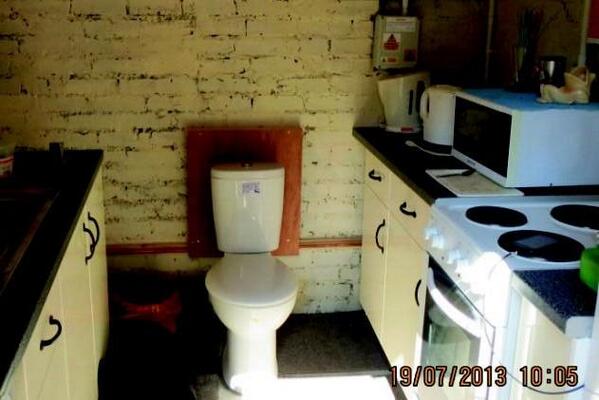
These are actual listing photos posted on the MLS and other Real Estate sites. Take a look & have a good laugh

Embedded image permalink

Embedded image permalink

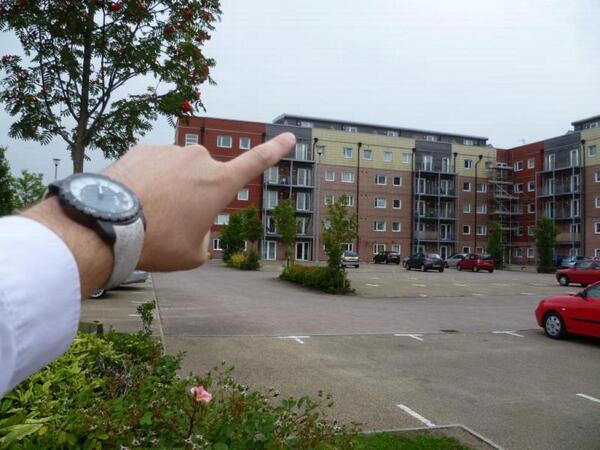
It’s the level of commitment shown here that sets this particular accidental selfie apart from the rest. He even got dressed up for the occasion.<br />
Submitted by Paul, for which thanks.

Embedded image permalink

Embedded image permalink

Sit back, relax, and let the static from the television give you a migraine.<br />
Submitted by Hayley, for which thanks.

Embedded image permalink

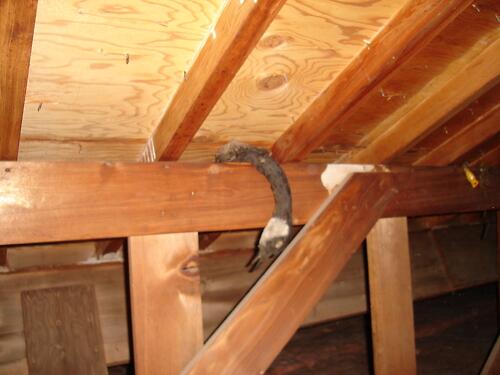
Avoid using photographs which suggest that the photographer was slowly and quietly circling the house looking for an unlocked door.<br />
Submitted by Julia, for which thanks.

Embedded image permalink

Embedded image permalink

Embedded image permalink

Embedded image permalink

Follow @BadRealtyPhotos on twitter to see more!
Embedded image permalink

The garden was meticulously well-maintained by the current owner, who passed away in 1974.<br />
Submitted by Tristan, for which thanks.

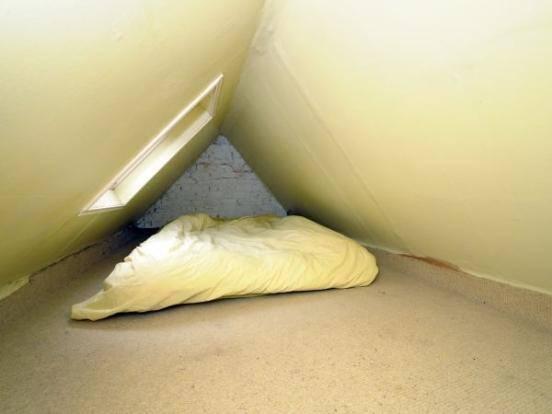
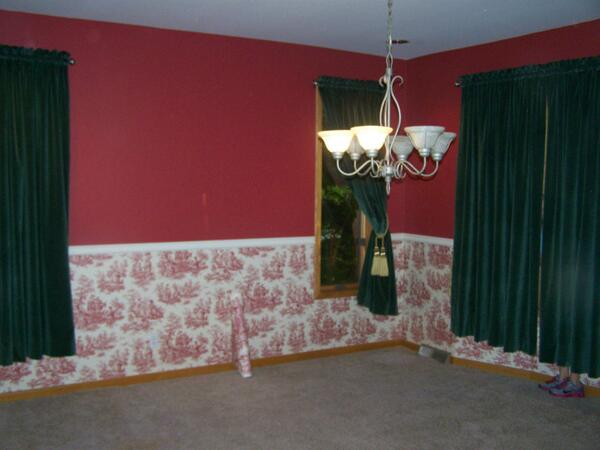
We call this the blue room.<br />
Submitted by Barry, for which thanks

In certain parts of the Midwest it’s not unusual for real estate agents to conduct viewings on horseback.<br />
Submitted by Wayne, for which thanks.

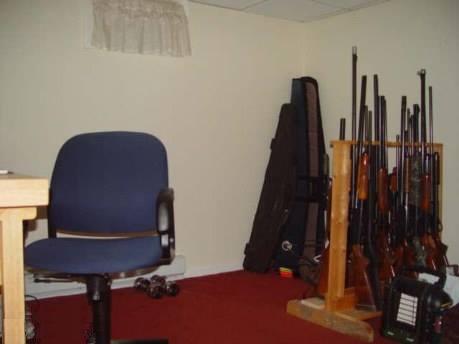
And this is the garage, where uncle Bernard spent his later years preparing for the apocalypse.

Live music can create a nice ambience in a property, but it’s significantly less effective as far as photographs are concerned.<br />
Submitted by Amanda, for which thanks.

Hoover? That’s an idea. Although you may need to find the floor first.<br />
Submitted by Nicole, for which thanks.

One can’t help but suspect that this was once part of a far larger and altogether more ambitious photograph.<br />
Submitted by Aliya, for which thanks.

Friday, January 17, 2014

What are closing costs?

With little vacant land left, developers and wealthy buyers are razing small, older houses in sought-after Southern California neighborhoods to build modern mansions.

Homebuyers should be aware of the extra payments that accompany a home mortgage.

 Shopping for the best mortgage involves more than just checking interest rates and loan terms. Many borrowers are surprised by the many additional costs involved in closing the loan.
Almost all closing costs relate to fees that the mortgage lender is charged by a third-party company and then passes on to the borrower. Some of the fees are additional costs the lender levies. Because these fees are all settled at the closing table, they are commonly referred to as closing costs.
Breaking down closing costs
Closing costs usually account for 2 percent to 5 percent of a home's sale price, although they may be more or less in some cases. These costs typically cover:
  • Obtaining a credit report
  • Processing paperwork for the loan (loan-origination fees)
  • Legal fees
  • Home inspections
  • Appraisals
  • Surveys
  • Title insurance
  • Title searches
  • An escrow deposit
  • Recording the transaction in the city or county's records
  • Underwriting the mortgage (evaluating the borrower and the property)

In addition to these fees, homebuyers may elect to increase their closing costs through discount points, which lower the mortgage's interest rate and saves the borrower money over the life of the loan.
Who pays closing costs?
In most cases, the buyer pays the bulk of the closing costs. In some cases, however, other parties may absorb a portion or all of these costs. For instance, if a home is purchased using a Veterans Affairs (VA) loan, then the seller will pay some of the closing costs, and the buyer will pay the remaining costs.
Some mortgage lenders advertise mortgages without closing costs. These may or may not be a good choice, depending on the specifics of the mortgage. Homebuyers, however, should realize that any bank offering mortgages without closing costs will likely build those fees into the structure of the mortgage. Buyers or sellers will probably pay the fees associated with purchasing a house, one way or another.
Saving for closing costs
Homebuyers should be aware of the closing costs they will be expected to pay because these fees can significantly increase the amount of money needed at closing. The good news is that lenders must provide agood-faith estimate (GFE) of these costs shortly after the borrower applies for the loan. The law now states that the final settlement of the loan must not deviate from this estimate by more than 105 percent — and for some loan products not at all.
But, borrowers can still be surprised by the GFE if they are not already planning to pay at least some closing costs.
Consider the following example: A home is sold for $100,000, and the buyer will make an initial down payment of $10,000 (10 percent). But that's not all the money the buyer will need to bring to the closing table. The closing costs can be expected to be around 5 percent, or $5,000. The buyer actually needs to have $15,000, not $10,000 at closing. The fees increase how much the home buyer needs at closing by 50 percent, in this case.

Thursday, January 16, 2014

Investors buy parking lot across from Staples Center

The three local buyers plan to build a large-scale residential and retail complex, perhaps including a hotel.

By Roger Vincent| LA TIMES

Downtown Los Angeles
A parking lot across the street from Staples Center in downtown Los Angeles, above, has been sold to local investors. (Ben Cohen / Bravo/NBCU Photo Bank via Getty Images / May 22, 2013)

A sprawling parking lot across the street from Staples Center in downtown Los Angeles has been sold to local investors who plan to build a large-scale residential and retail complex — perhaps including a hotel.
It was the second sale of a parking lot in the area around Staples and the L.A. Live entertainment complex in recent weeks as real estate development in the neighborhood south of downtown's financial district picks up speed.

The latest sale was a 2.7-acre parcel at 12th and Figueroa streets that has city approval for construction of apartment or condominium towers above stores and restaurants, real estate broker Adam Tischer of Colliers International said.

Tischer is an advisor to the seller, L&R Group, which is the parent company of Joe's Auto Park. The broker declined to name the three buyers, but other downtown property experts not authorized to talk about the deal identified one of the new owners as David Y. Lee.

Lee's Los Angeles company, Jamison Services Inc., is one of the largest office landlords in Southern California.

L&R paid $31 million for the property in 2010 and hadn't planned to sell it, but a trio of local buyers offered to pay substantially more than twice that amount, Tischer said. He declined to reveal the exact price.

The parcel, which was once owned by condominium developer South Group, has preliminary approvals for two high-rise towers of about 35 and 27 stories housing 648 residential units. About 40,000 square feet of space for stores and restaurants would be available for rent at street level.

The new owners may seek a variance from the city that would allow them to use some of the approved 863,000 square feet of development space as a hotel and perhaps accommodate more retail space, Tischer said.

"They are eager to get started and hope to be under construction this year," he said.

The other Staples area parking lot to be sold recently was a 4.6-acre site just to the north at 11th and Figueroa streets. Chinese property developer Oceanwide Real Estate Group acquired the land now used as a parking lot from New York landlord Moinian Group.

Oceanwide said it hopes to develop a five-star hotel, apartments and retail space.

roger.vincent@latimes.com
Twitter: @rogervincent
Copyright © 2014, Los Angeles Times

Wednesday, January 15, 2014

San Pedro streetscape to see some changes in 2014

by Donna Littlejohn, The Daily Breeze
POSTED: 
The Korean Friendship Bell in San Pedro is under renovation.

The new year will see some physical changes throughout San Pedro, including the opening this summer of the port’s inlet and downtown plaza just in time to welcome a tall ships festival.

The water cut is part of the ongoing waterfront project and a new harbor for vessel docking and a “modern town square,” featuring landscaping, lighting and promenades just north of the Los Angeles Maritime Museum at Sixth Street and Harbor Boulevard.

The tall ships festival — the Port of Los Angeles is an official stop of the Tall Ships Challenge on Aug. 20-24 — is expected to attract as many as 12 national and international tall ships along with 250,000 visitors to the area over the four-day period.

The plaza being built next to the water is expected to hold 10,000 people for outdoor events and performances.

Costing nearly $40 million, the Downtown Harbor Project is viewed as one of the waterfront’s key connector pieces as designers attempt to better link the historic downtown shopping district to the water just a few blocks east.

The new harbor inlet was among early recommendations made a decade ago by waterfront developers who said the focus should be to bring the water closer to residents and shoppers.

Among other physical changes coming this year:

• An $800,000 skate plaza now under construction is tentatively slated to open around summer in Peck Park, 560 N. Western Ave. The opening is timed to a temporary closure of the Channel Street skate park on the other side of town. That facility has to close for about a year for freeway overpass improvements.
The new 7,600-square-foot outdoor skate plaza is undergoing construction along the western border of the park, across the street from Rancho Palos Verdes, and will include elements that skateboarders enjoy using on the streets, such as banks, ledges and railings, along with a swimming pool-style bowl.

• If the Los Angeles City Council gives a downsized Ponte Vista housing plan the go-ahead in coming weeks, demolition on the long-vacant Navy houses along Western Avenue could finally begin in 2014.
Late last year, the plan received unanimous approvals from the Los Angeles City Planning Commission and the council’s Planning, Land Use and Management Committee. If the full council follows suit, it will end what has been nearly a decade of controversy over plans to redevelop the 61.5-acre former Navy property at 26900 S. Western Ave.

The latest proposal calls for building no more than 700 for-sale homes, down from the original proposal of 2,300 homes initially presented by a previous developer in 2005.
Along with demolition of the vacant Navy homes, early work on the project, if approved, will include building infrastructure on the site.

Construction in San Pero next to the Maritime Museum where a ship cutout has been built.

• San Pedro’s newly restored Korean Friendship Bell will be unveiled at a ceremony at 9:30 a.m. Friday. The 17-ton bronze bell, protected by a decorative concrete pavilion overlooking the ocean in Angels Gate Park, 3601 S. Gaffey St., was a gift to the people of America 38 years ago, marking the United States’ bicentennial year.

But the harsh elements of its location has created maintenance challenges, leading to the $365,000 project — provided through private funds raised by the Korean Friendship Bell Preservation Committee — that has included a number of phases in restoring the gift to its original luster.

The final phase included resurfacing the bell and repairing and repainting the pavilion, with work that began in September. Bell masters from South Korea traveled to San Pedro to do much of the detailed work through the fall months, ensuring it would be authentic.
Removal of the scaffolding is expected to begin Monday.

• Hope Chapel San Pedro has sold its 27,951-square-foot building at 461 W. Ninth St., with escrow expected to close by mid-January. The asking price was $3.4 million and the name of the buyer has not been made public. Among those who had looked at the property was a developer interested in putting in a grocery store.

Hope Chapel bought the 1923 building in 1996, restored it to its original facade with the help of Community Redevelopment funds and used the indoor space for worship services.
The building began as the home of the Clark Cook Lincoln Ford car dealership, where a young salesman named Frank Smolar reportedly sold the first Model A on the West Coast. Smolar, who died in 2002, sold the building to Hope Chapel.

After the car dealership, the structure became home to DiCarlo’s Bakery, with family members adding living quarters upstairs in the 1940s.
In the late 1950s, it became the San Pedro Bowling and Recreation Center, which closed in 1991.
Hope Chapel now meets at Rolling Hills Preparatory School, 1 Rolling Hills Prep Way, San Pedro.

• A long-vacant parcel at 1490 W. Seventh St. — on the northeast corner of Weymouth Avenue and Seventh Street, next door to Trinity Lutheran Church — is finally being developed. It will be the new office for San Pedro dentist Nicholas Jaksic, whose offices are now on Sixth Street. The new building should be completed and open sometime this summer. After the gas station that was on the corner was closed, the property sat vacant for the past few years.
Old Hope Chapel (former bowling alley) at 461 W. 9th St., San Pedro, which is now in escrow.

Tuesday, January 14, 2014

U.S. regulator asks consumers about home deal closing issues

The Consumer Financial Protection Bureau wants to know whether there are common problems with real estate settlements that need to be fixed.

By Kenneth R. Harney| LA TIMES

WASHINGTON — The federal government has a real estate question for consumers who have bought or refinanced homes that's certain to generate more than an earful: Were there any problems when you went to close the deal?

Any last-minute glitches or surprises that delayed the settlement, required unexpected negotiations or, worst of all, blew up the sale or refinancing? Did you get your settlement sheet in advance so that you could review the documents intelligently? Were there any errors or discrepancies that popped up — charges that were considerably higher than you had expected, loan-related fees or an interest rate that differed from what you thought you had signed up for? Was the whole process pleasant? Was it "empowering"?

Wow. Talk about stirring up hornets. The Consumer Financial Protection Bureau, which has broad regulatory powers in the real estate settlement arena, wants to know whether there are common problems that need to be fixed. If so, it may make what it euphemistically calls "interventions" to right what seems to be wrong.

The bureau also wants to hear from realty professionals, lenders, title insurance and escrow agents, attorneys and others who play roles in closings on homes — the people who produce, bless and witness the signings of mounds and pounds of paper associated with the settling of America's home transactions.
From industry accounts, the vast majority of closings are successful. The National Assn. of Realtors estimates that roughly 10% to 12% of pending sales don't close for various reasons. But conversations with agents suggest that a much higher percentage of settlements experience problems that arise just before or during the event that either delay or complicate the process.

Though eleventh-hour delays can occur because of title insurance-related issues and various others, a disproportionate percentage appear to be related to the mortgage. Late in the game, the lender might inform the borrower: Sorry, but we've encountered some underwriting red flags in your application that you'll need to resolve before we can proceed. Or oops, we didn't get all the loan documents to the closing agent in time. Or worst of all, we've changed our mind. We simply cannot do this loan and we sincerely regret that we're telling you this on the day before your scheduled closing.

Gary Kassan, an agent with Pinnacle Estate Properties Inc. in Valencia, says he routinely gets buyers pre-approved by lenders, but in at least 20% of purchases, problems pop up after the pre-approval that threaten to delay or disrupt closings. In early January, Kassan was waiting for a lender to agree to close on a deal that was originally scheduled for late December. The problem: underwriters' questions that arose late in the process about the borrower's income.

"I want to ask all these [loan officers] — why didn't you bring this up earlier, before you gave [my client] a pre-approval letter?" Kassan said.

Cindy Westfall, an agent with Premiere Property Group in the Portland, Ore., area, has had two recent sales knocked off track by underwriting issues just before the closing, one of which caused the entire sale to blow up, forcing her buyers to start their home search all over again. "My clients were very stressed" by the entire experience, she said.

Rhonda Masotta, an agent with Bright Realty in Sarasota, Fla., almost found herself in the same situation: Last year she was sitting at a table for her buyer's closing on a $1.25-million home. The only thing missing was confirmation that the bank committed to do the loan had wired the money needed to complete the transaction.

"We all waited for hours," but there was no word from the bank, Masotta said. The closing was rescheduled for the following day, but then came the bad news: The bank had decided to back out of the deal. That's usually a death sentence on a home sale, but Masotta and her colleagues on both sides of the transaction opted for an emergency rescue attempt and found a bank willing to underwrite and fund the loan on an expedited basis later the same day.

That's not the way closings are supposed to work, but stuff happens.

If you want to share your experiences with the Consumer Financial Protection Bureau, email your information by Feb. 7. Detailed instructions for submitting comments — and postings of comments made to date — are online in the Jan. 3 Federal Register, at http://www.federalregister.gov.

Distributed by Washington Post Writers Group.
Copyright © 2014, Los Angeles Times